
Spend half an hour on any allotment site and you will hear it: one plot holder swears by a winter dig, another says the soil should never be turned at all. It is one of those gardening arguments that lasts because both sides can point to healthy crops, decent harvests and years of experience. That may be why no-dig has shifted from a niche idea to a regular subject of conversation on many allotments.
The appeal is plain. Many growers care less about theory than about bad backs, heavy clay and keeping weeds down without turning the plot into a second job. For them, no-dig is a practical choice, not an article of faith: compost on top, less disturbance below and a steady effort to improve soil structure over time.
If you’re curious, it’s worth reading a balanced guide to no dig allotment methods before deciding where you stand. The most sensible discussions do not treat it as a miracle cure. On some plots, especially neglected ones overrun with perennial weeds, a one-off dig may still make sense. On others, repeated turning feels like more effort than it’s worth.
Why growers keep returning to the question
The real issue is not whether no-dig is fashionable, but whether it suits the ground in front of you. Soil type, drainage, weed pressure and the amount of time you can realistically devote to your plot all matter.
- Light soils may respond quickly to surface mulching.
- Heavy soils can improve over time, although they often require patience.
- Plots overrun with bindweed or riddled with couch grass may benefit from a mixed approach.
That is probably why the argument remains useful. It encourages allotment holders to observe their ground rather than follow a single approach without question. In practice, most successful plots borrow something from both camps. And that may be the least glamorous conclusion of all: not every gardening question has a clear winner, only a method that works for your plot and your circumstances.
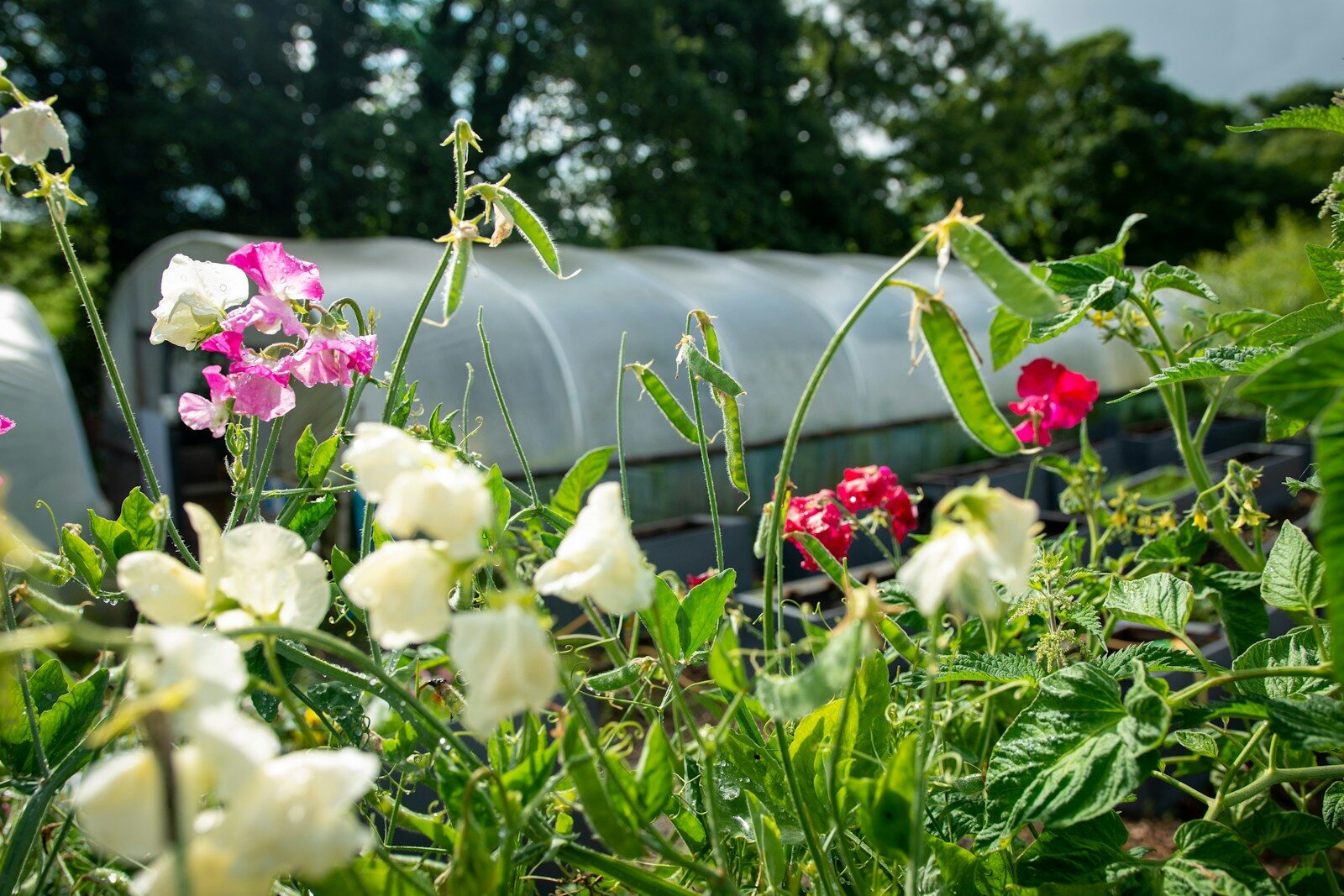
Featured Photo by Matt Baker.