

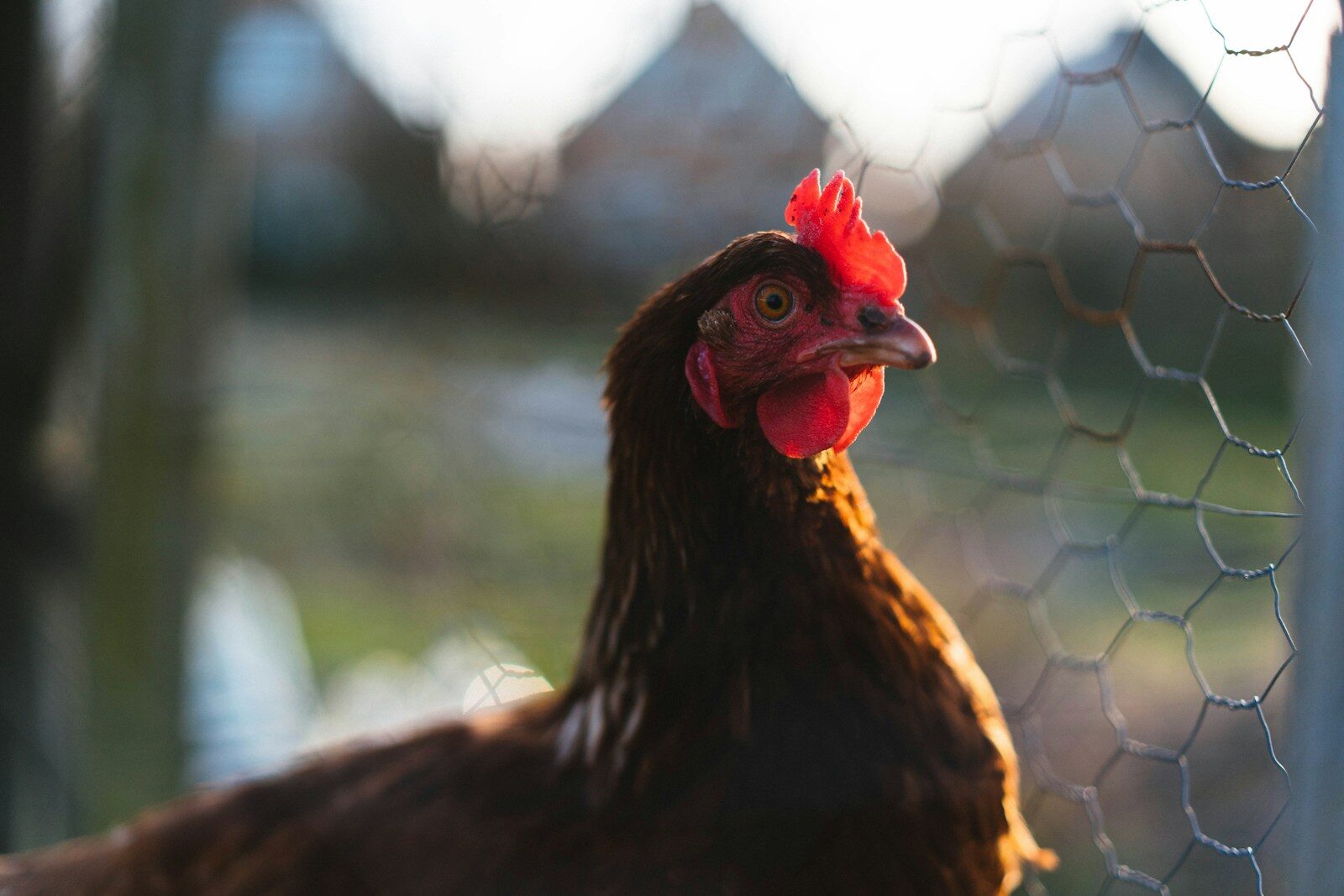
Keeping chickens can be a rewarding addition to a garden, providing fresh eggs, plenty of entertainment and a natural connection to where some of our food comes from. Chickens are surprisingly characterful creatures, but they do require thoughtful care and a suitable environment to thrive.
Whether you have always fancied keeping a few hens or are simply considering whether chickens would work in your garden, there are several practical points worth considering before bringing them home.
Choosing the Right Chickens
For beginners, hens are generally the simplest choice. You do not need a cockerel for hens to lay eggs, and keeping hens without one can also avoid some of the noise and potential disputes that come with a male bird.
Different breeds have different characteristics. Some are particularly good layers, while others are better suited to smaller gardens or are valued for their appearance and temperament. It is worth researching the breed carefully rather than choosing purely on looks.
It is also important to consider how many chickens you want to keep. Chickens are social animals and should not generally be kept alone, so a small group is usually a better option than a single bird.
Creating a Chicken-Friendly Garden
A secure chicken run is essential. Chickens enjoy scratching, pecking and exploring, but they can quickly turn a carefully maintained flower bed into a collection of bare patches if they are given unrestricted access.
A dedicated run gives them space to exercise while protecting the rest of the garden. It should provide shelter from rain and wind, shade during warmer weather and somewhere secure for the chickens to retreat at night.
Good fencing is also important. Chickens can be surprisingly determined when they spot somewhere interesting to explore, while predators such as foxes are a serious concern. The enclosure needs to be secure from above and below as well as around the sides.
What Do Chickens Eat?
A balanced diet is an important part of keeping healthy chickens. Good-quality commercial chicken feed should form the basis of their diet, supplemented with suitable treats and access to clean drinking water.
Chickens also enjoy many garden-friendly foods, including certain vegetables and leafy greens. However, treats should not replace their main feed, and it is sensible to check whether a particular food is safe before offering it.
One of the pleasures of keeping chickens is watching them forage. They will spend much of their day scratching through soil, searching for insects and other tasty discoveries.
Chickens and Your Plants
This is where chickens and gardeners do not always see eye to eye.
Chickens can be useful in the garden because they eat insects and spend their time scratching through the soil. Their manure can also be a valuable addition to compost when properly managed. However, their enthusiasm for foraging means that young plants, seedlings and freshly planted beds can be vulnerable.
If you want to protect your borders, fruit and vegetable beds, it is usually best to establish clear areas where the chickens are allowed to roam. Temporary fencing can be particularly useful when newly planted areas need protection.
Keeping Chickens Clean and Healthy
Regular cleaning is an important part of chicken keeping. The coop should be kept dry and clean, with bedding changed regularly and droppings removed as necessary.
Chickens should also be checked regularly so that any changes in behaviour, appetite or appearance can be spotted early. Keeping an eye on their feet, feathers and general condition can help you identify potential problems before they become more serious.
Fresh water should always be available, and feeders and drinkers should be kept clean.
Is Keeping Chickens Right for Your Garden?
Keeping chickens can bring plenty of life to a garden, but they are not completely maintenance-free. They need daily care, secure housing and protection from predators, as well as enough space to behave naturally.
For gardeners who are prepared for the responsibility, however, chickens can be a wonderful addition. They provide fresh eggs, natural garden entertainment and a reason to spend even more time outdoors. With a little planning, it is possible to create a garden that works well for both its human and feathered inhabitants.
Featured Photo by Phil Hearing.