There’s something undeniably wholesome about the idea of tending your own plot of land, growing fresh produce,
and escaping the pace of modern life. Allotments have long been part of British culture, offering a peaceful retreat and a practical way to cultivate your own food.
If you’ve recently found yourself searching for an ‘allotment near me‘, you’re certainly not alone; demand has surged as more people embrace sustainable living and outdoor hobbies. Whether your search has
been driven by cost-saving, wellbeing, or simply curiosity, getting started is easier than you might think.
What Is An Allotment And Why Are They So Popular?
An allotment is a small plot of land rented to individuals for growing fruit, vegetables, and flowers.
Typically managed by local councils or private landlords, these spaces provide an affordable way to garden without needing your own large outdoor area. Their popularity has grown significantly in recent years, partly due to increased awareness around food sustainability and mental health benefits. There’s also a strong community element; many allotment holders share tips, seeds, and even surplus produce.
Searching for an allotment often leads to waiting lists, which reflects just how sought-after these green spaces have become.
How Do I Find An Allotment Near Me?
The most common route is through your local council, which usually maintains a list of available sites. However, availability varies widely depending on location, with urban areas often having longer waiting times. It’s worth checking multiple sources, including local gardening groups, community boards, and national organisations like the National Allotment Society. When searching online for an allotment near me, be prepared to join a waiting list; but don’t let that put you off. Some plots become available unexpectedly, and persistence often pays off.
Understanding Costs And Commitments
Allotments are generally affordable, with annual rents typically ranging from £20 to £150 depending on size and location. Some councils offer concessions for pensioners or those on low incomes.
Beyond rent, you’ll need to consider basic tools, seeds, and possibly a shed or greenhouse. Time commitment is another important factor. While you don’t need to be there every day, regular maintenance is key to keeping your plot productive and tidy. If you’re serious about finding an allotment near me, it’s worth realistically assessing how much time you can dedicate each week.
What Can I Grow On My Plot?
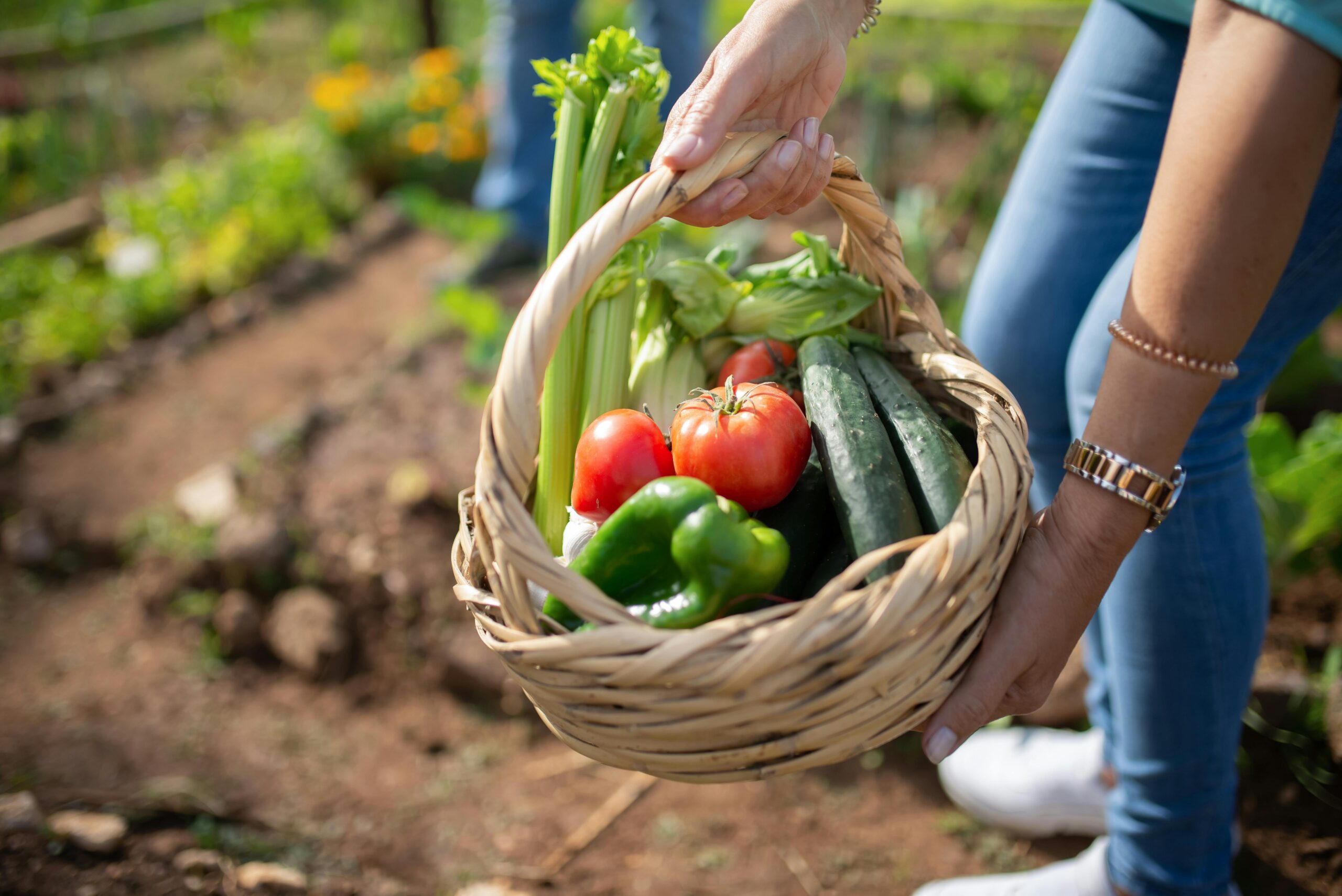
One of the biggest joys of having an allotment is deciding what to grow. Many people start with easy, reliable
crops like potatoes, carrots, courgettes, and runner beans. Herbs and soft fruits are also popular choices.
Over time, you can experiment with more unusual or seasonal produce. The flexibility of your plot means you
can tailor it to your tastes, whether that’s focusing on organic vegetables or creating a colourful flower
garden. When browsing options for an allotment near me, consider the size and sunlight exposure of available
plots, as these will influence what you can grow successfully.
Tips For First-Time Allotment Holders
Starting from scratch can feel overwhelming, but a few simple strategies can make all the difference. Begin small; don’t try to cultivate every inch of your plot immediately. Focus on a manageable area and expand gradually.
Get to know your soil and invest in compost to improve its quality. Speak to neighbouring plot holders; their experience is invaluable, especially when you’re learning the basics. Most importantly, be patient. Gardening is a long-term process, and success comes with time and consistency. Even if your initial search for an allotment near me takes a while, the reward is well worth the wait.
The Benefits Go Beyond The Garden
Beyond fresh produce, allotments offer significant mental and physical health benefits. Spending time outdoors, engaging in light exercise, and connecting with nature can reduce stress and improve overall wellbeing.
There’s also a sense of accomplishment that comes from harvesting something you’ve grown yourself. For many, an allotment becomes more than just a hobby; it’s a lifestyle shift towards slower, more mindful living.
Featured image credit: Pexels.