
Horticulture encompasses far more than simply planting flowers and tending to a garden. It is the science, art and practice of growing and managing plants, covering everything from ornamental gardening and fruit production to landscape management, nurseries and the cultivation of crops.
For anyone with an interest in plants, horticulture offers an opportunity to understand not only how plants grow, but also how different environments, growing techniques and cultivation methods can influence their health and appearance.
What Is Horticulture?
At its simplest, horticulture is the cultivation and management of plants. It includes the growing of flowers, vegetables, fruit, herbs, trees, shrubs and ornamental plants, both professionally and on a smaller domestic scale.
The subject brings together practical gardening skills with elements of plant science. Soil, water, nutrition, light, temperature and plant health all play a role, while an understanding of individual plant requirements helps gardeners make better decisions about what to grow and where.
In this sense, horticulture sits somewhere between science and creativity. Knowing what a plant needs is one thing; creating an attractive and productive garden with that knowledge is another.
The Different Areas of Horticulture
Horticulture covers a surprisingly broad range of disciplines. Ornamental horticulture focuses on plants grown primarily for their appearance, including flowers, shrubs and trees used in gardens and landscaping.
There is also fruit and vegetable production, where factors such as soil fertility, pollination, pruning and pest management can all influence the quality and quantity of a crop.
Landscape horticulture is concerned with the use and management of plants in outdoor spaces. This can include private gardens, parks, public spaces and larger landscaped areas.
Nursery production is another important area, involving the propagation and cultivation of plants before they are sold or planted elsewhere.
Understanding Your Soil
Good horticulture starts below ground. Soil provides plants with physical support, water and nutrients, making it one of the most important factors to understand when planning a garden.
Different plants prefer different soil conditions. Some thrive in free-draining soil, while others prefer conditions that retain more moisture. Soil can also vary in its acidity and nutrient content.
Understanding the soil in your garden can therefore help you choose plants that are naturally suited to the conditions, rather than constantly trying to make unsuitable plants thrive.
Working With Nature
Modern horticulture is not simply about controlling every aspect of plant growth. Increasingly, gardeners are looking at ways to work with natural processes.
Encouraging pollinators, improving soil health, using compost and choosing plants that are well suited to local conditions can all contribute to a healthier garden. Companion planting, wildlife-friendly planting and responsible water use can also form part of a more sustainable approach.
This can make a garden more resilient while creating an environment that supports insects, birds and other wildlife alongside the plants themselves.
Horticulture in the Home Garden
You do not need to work in the horticultural industry to benefit from its principles. Many everyday gardening activities are forms of horticulture.
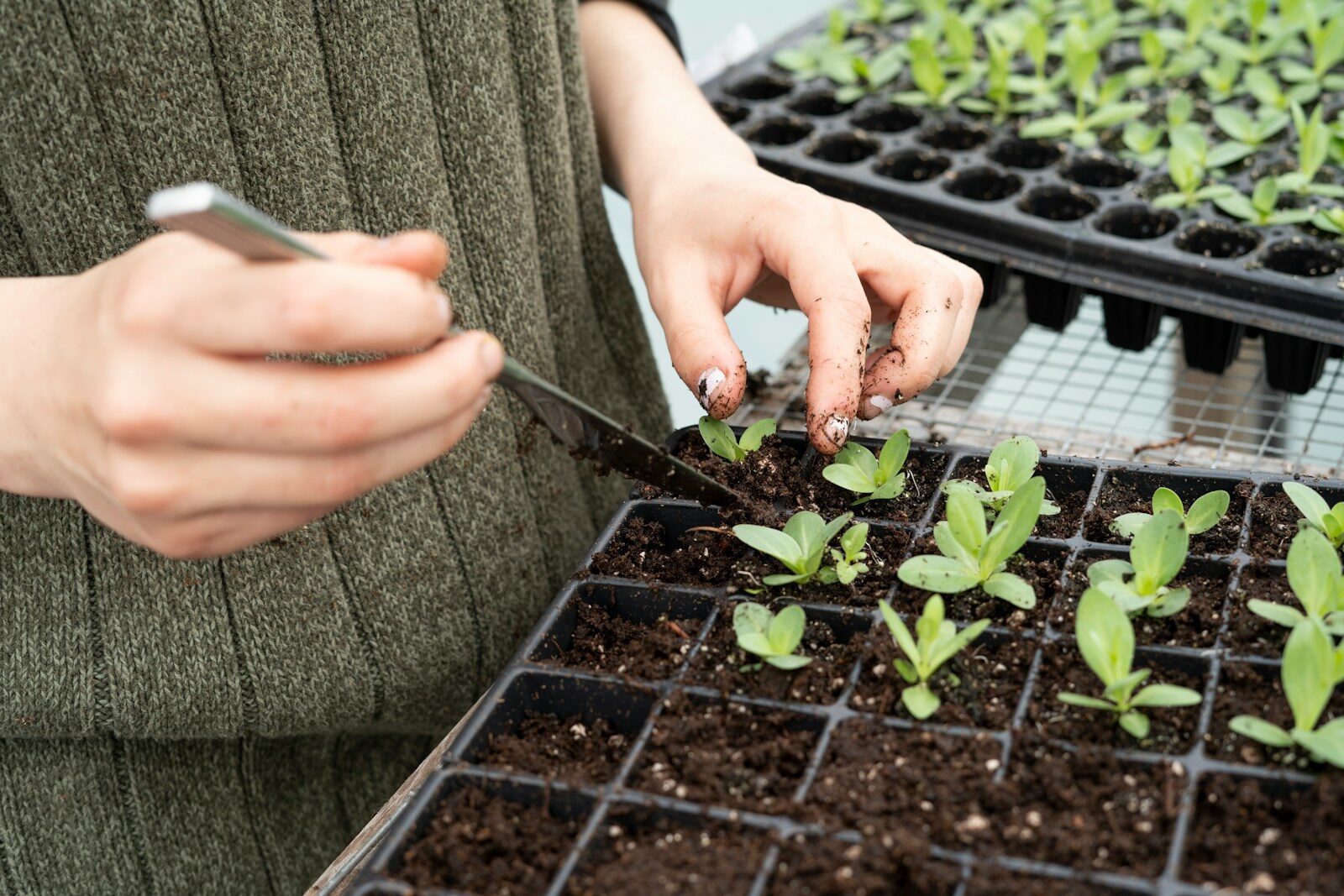
Choosing the right plant for a particular position, pruning a shrub at the appropriate time, propagating cuttings, improving soil or growing your own vegetables all involve horticultural knowledge.
The more you understand about how plants respond to their surroundings, the easier it becomes to work with them rather than against them.
Why Horticulture Still Matters
Horticulture has an important role to play in gardens, food production, landscaping and the wider environment. It combines practical knowledge with an appreciation of the natural world, helping us grow plants successfully while making better use of the spaces around us.
For the home gardener, learning a little more about horticulture can make gardening more rewarding. It can turn trial and error into informed decisions and help transform a collection of plants into a healthier, more productive and more enjoyable garden.
Featured Photo by Zoe Richardson.